In today’s fast-evolving construction industry, demolition is no longer a simple act of tearing down buildings. It has become a highly technical and strategic process that requires specialized equipment, meticulous planning, and expert execution. Modern construction demolition services are designed not only for efficiency but also for safety, environmental compliance, and cost-effectiveness. This article dives deep into the most common and emerging demolition methods used today.
1. Mechanical Demolition
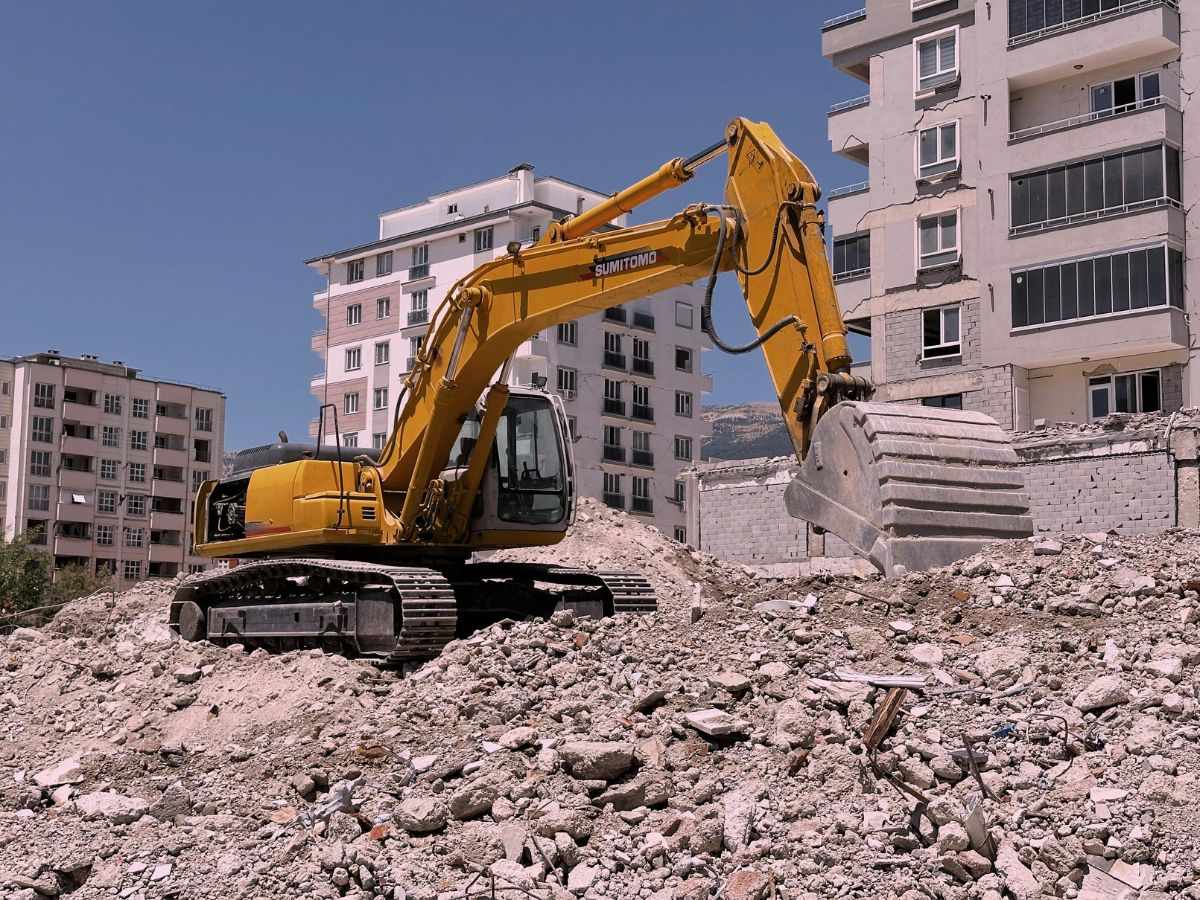
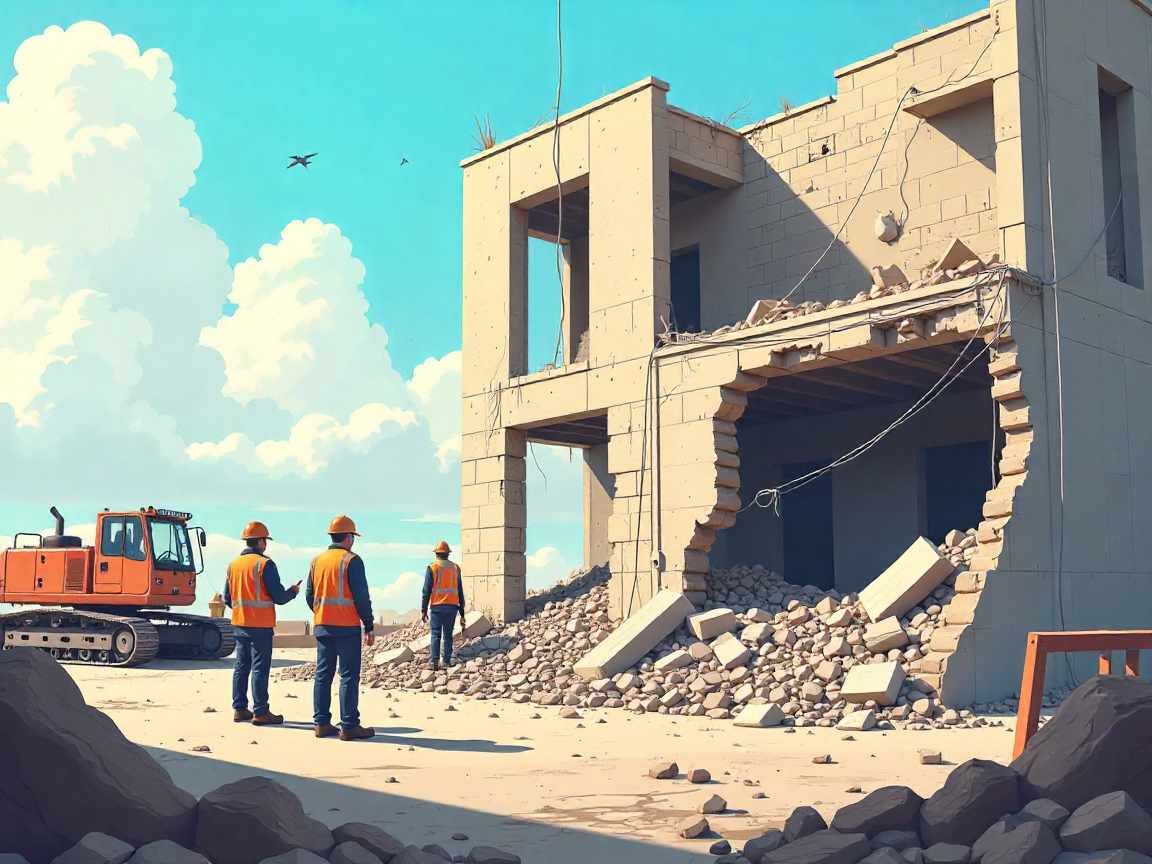
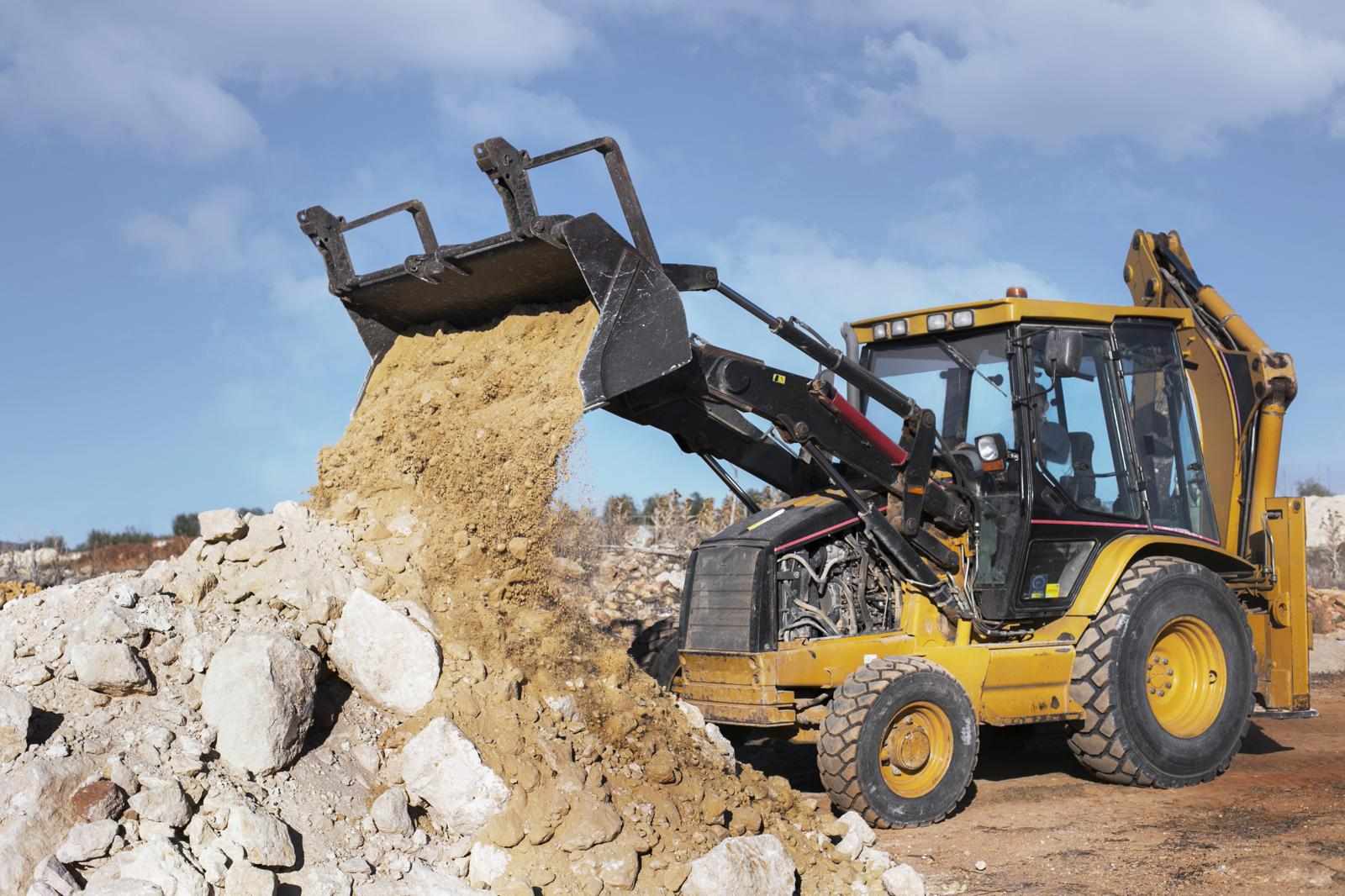
Mechanical demolition is the backbone of most construction demolition services. This method relies on heavy machinery such as excavators, bulldozers, hydraulic breakers, and wrecking balls. Mechanical demolition is ideal for concrete structures, steel frameworks, and multi-story buildings.
Key benefits include:
Speed: Large structures can be dismantled quickly.
Versatility: Suitable for various building types and sizes.
Safety: When executed properly, it minimizes risk to workers.
However, this method also produces substantial debris and requires effective waste management. Many service providers now integrate debris recycling as part of their mechanical demolition strategy, enhancing sustainability.
2. Controlled Implosion
Implosion is one of the most dramatic demolition techniques used in construction demolition services. Controlled explosives are carefully placed to collapse a building inward, often within seconds.
Technical Highlights:
Engineers study the building’s structure in detail, including load-bearing walls and support columns.
Explosives are sequenced to ensure a precise collapse trajectory.
Safety zones and evacuation plans are mandatory to protect the surrounding environment.
Implosion is particularly suitable for high-rise buildings and industrial complexes where space constraints prevent conventional demolition.
3. Selective Demolition (Deconstruction)
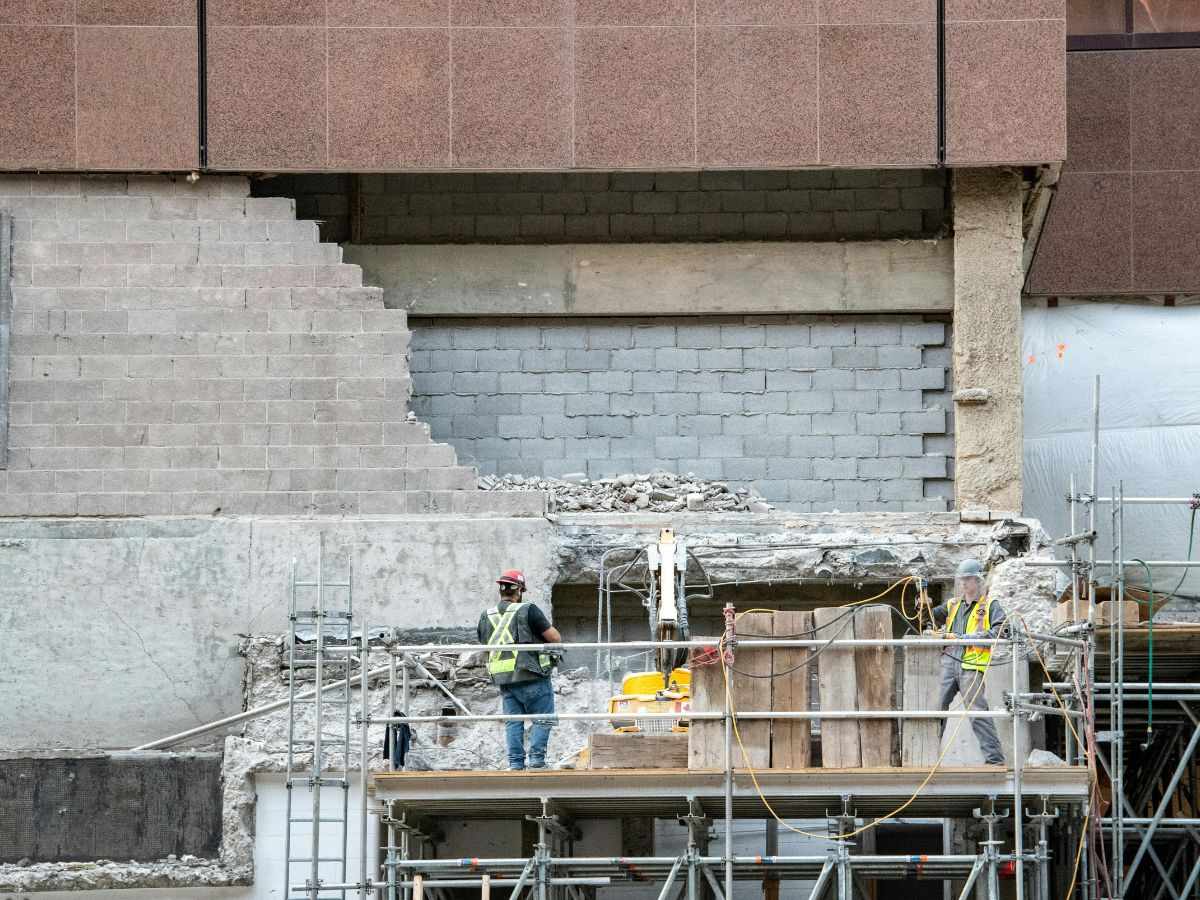
Selective demolition is a method where only certain parts of a structure are removed, preserving valuable materials for reuse or recycling. This approach is gaining popularity in green construction and sustainable construction demolition services.
Advantages:
Material Recovery: Wood, steel, and concrete can be repurposed.
Reduced Waste: Minimizes landfill use.
Environmental Compliance: Meets strict regulations for sustainable demolition practices.
Although more labor-intensive and time-consuming, selective demolition is ideal for projects where sustainability is a priority or where parts of a building are still functional.
4. High-Reach Arm Demolition
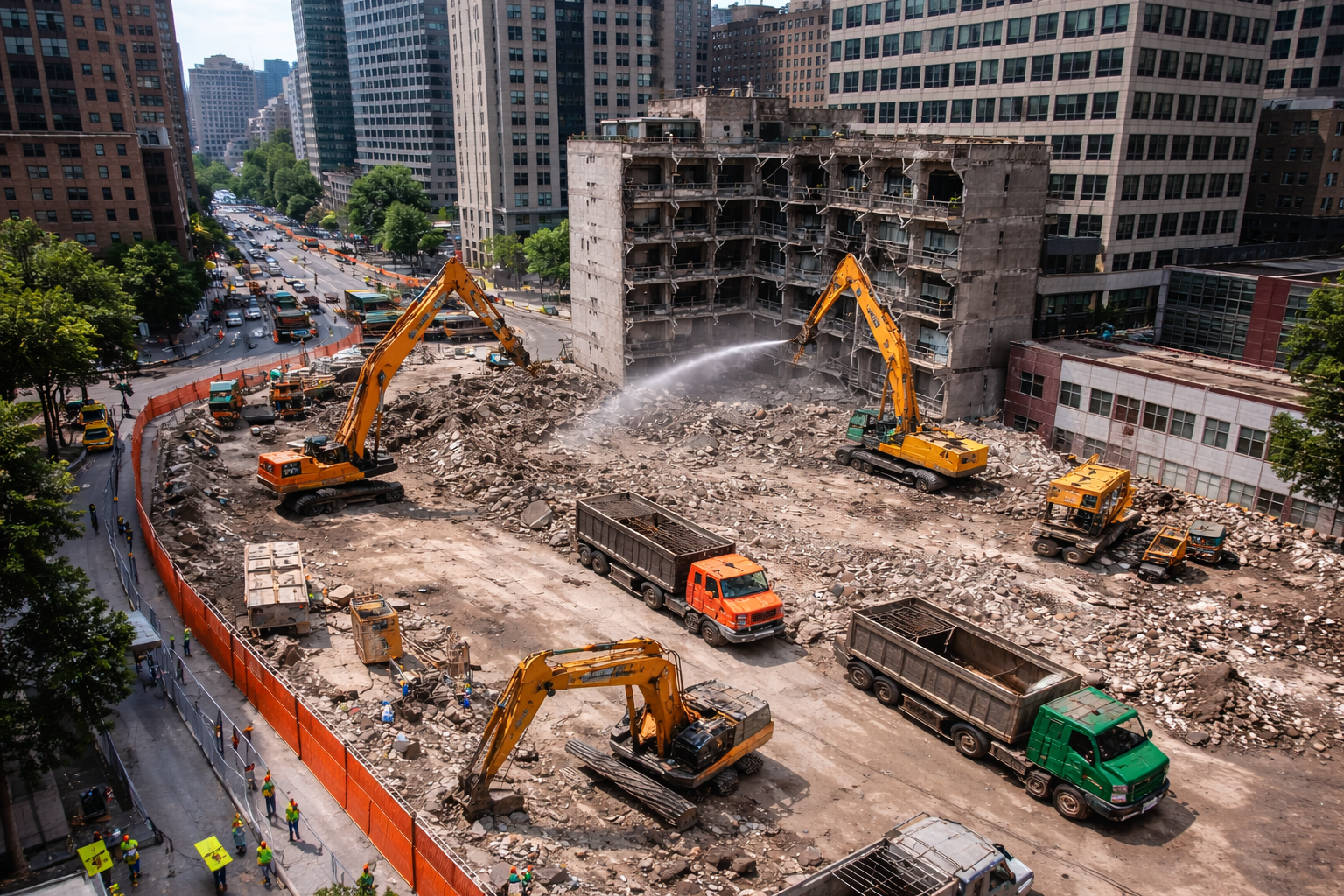
High-reach arm demolition uses long hydraulic arms equipped with specialized attachments to dismantle buildings from the top down. This method is particularly effective for urban areas or tall structures where safety and precision are crucial.
Key Features:
Controlled Dismantling: Reduces risk of debris falling on adjacent properties.
Dust Suppression: Often combined with water sprays or vacuum systems.
Efficiency: Enables the safe removal of upper floors before addressing the lower levels.
Many construction demolition services providers favor this method in cities with dense building clusters, where safety and noise reduction are important.
5. Diamond Wire and Rope Saw Cutting
For precise cutting of reinforced concrete or masonry, diamond wire and rope saws are employed in construction demolition services. These tools allow for cutting through large structural elements with minimal vibration and noise.
Applications:
Removing specific sections of bridges or walls.
Cutting thick concrete columns or beams without affecting nearby structures.
Preserving architectural features for reuse.
This method is highly technical and requires experienced operators, but it is indispensable for projects that demand accuracy and minimal disruption.
6. Emerging and Robotic Demolition Technologies
The demolition industry is rapidly innovating with robotic systems, laser-guided tools, and remote-controlled machinery. These technologies enhance precision, reduce human exposure to hazards, and improve efficiency in construction demolition services.
Some emerging trends include:
Autonomous demolition robots: Operate in confined spaces or hazardous environments.
Advanced material sorting systems: Facilitate on-site recycling of concrete, steel, and wood.
3D scanning and AI planning: Optimize demolition strategies by predicting structural weaknesses and debris flow.
These innovations are expected to transform demolition practices, making projects faster, safer, and more environmentally friendly.
7. Safety and Environmental Considerations
Safety is the top priority in all modern construction demolition services. Companies follow strict protocols to protect workers and nearby communities. Environmental considerations include:
Dust Control: Using water sprays or enclosed systems.
Noise Management: Scheduling work during low-activity hours.
Waste Recycling: Sorting and reusing demolition debris to minimize landfill impact.
With growing regulations worldwide, demolition companies now combine engineering expertise with environmental stewardship to ensure projects meet both safety and sustainability standards.
Conclusion
Demolition is far more than just tearing down a building—it is a complex, technical discipline. Modern construction demolition services combine mechanical expertise, controlled explosives, selective deconstruction, and emerging robotic technologies to deliver safe, efficient, and sustainable outcomes. By understanding these methods, businesses, developers, and property owners can make informed decisions, ensuring that demolition projects are executed with precision, responsibility, and innovation.

Write a comment ...