
Urban clearance projects demand far more than heavy machinery and manpower. In tightly regulated city environments, success depends on detailed logistics planning, stakeholder coordination, and strict safety compliance. Whether projects involve structural dismantling, redevelopment preparation, or construction demolition services, understanding logistical complexities ensures safe, timely, and efficient execution.
Below are nine critical logistics planning factors that shape successful operations in restricted urban clearance zones.
1. Regulatory Approvals and Permit Coordination
Urban areas operate under strict municipal frameworks. Clearance activities often require multiple approvals, including environmental permits, road usage permissions, and safety certifications. Early coordination with local authorities prevents costly delays and ensures compliance with city ordinances.
2. Traffic Flow and Road Access Management
Restricted zones typically experience heavy traffic and limited access routes. Logistics teams must design traffic diversion plans, schedule off-peak material transport, and coordinate with city traffic departments to reduce congestion and maintain public safety.
3. Space Constraints and Equipment Positioning
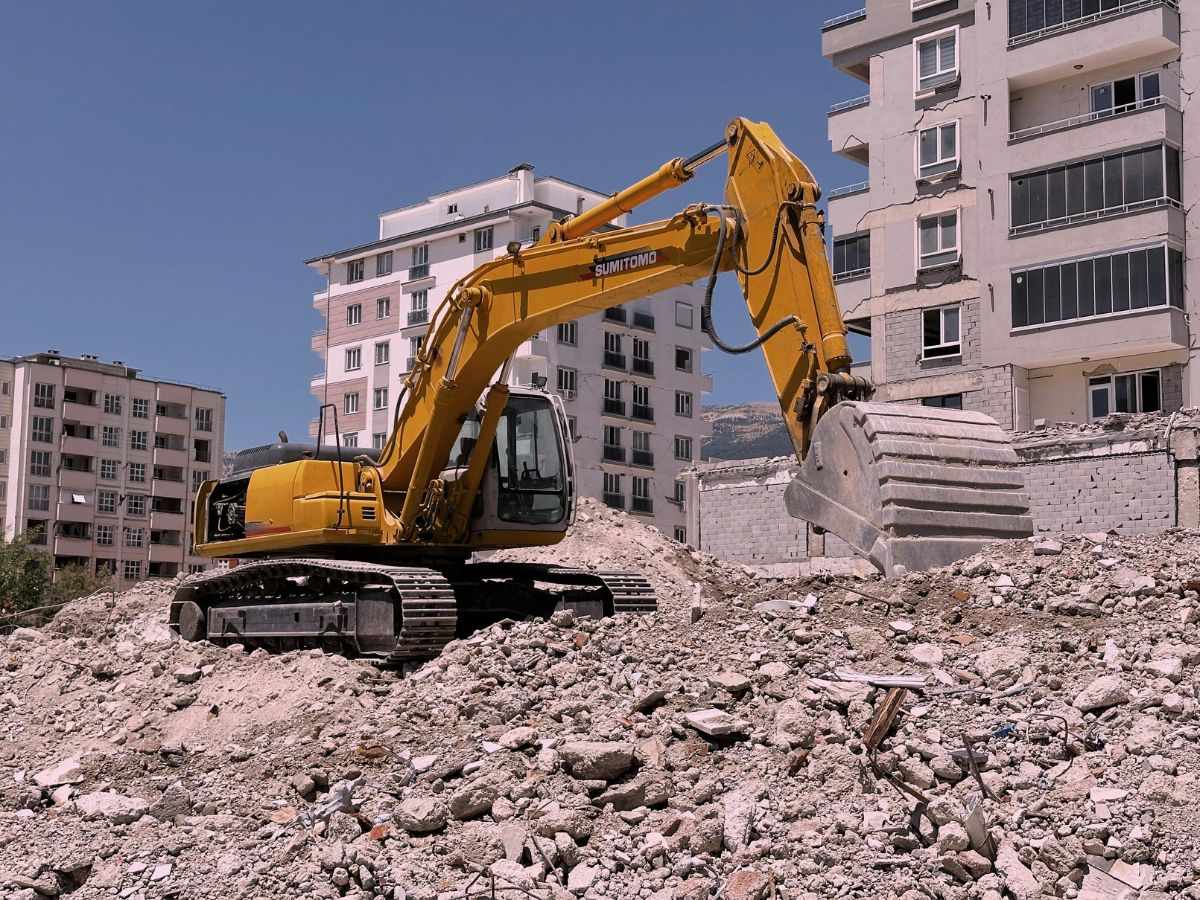
Unlike open industrial sites, urban zones provide minimal working space. Strategic placement of cranes, loaders, and hauling vehicles is essential to avoid operational bottlenecks. Compact machinery selection and phased dismantling methods often become necessary.
4. Noise and Vibration Control
Urban clearance operations occur close to residential and commercial buildings. Managing vibration levels and limiting noise during designated hours protects surrounding structures and maintains community relations. Advanced monitoring systems help track compliance in real time.
5. Environmental and Dust Suppression Measures
Air quality regulations in cities are strict, requiring contractors to adopt proactive environmental control measures. In projects involving demolition saudi arabia, implementing effective dust suppression systems, installing debris containment barriers, and ensuring proper waste segregation help maintain regulatory compliance while significantly minimizing public health and environmental risks.
6. Waste Transportation and Disposal Planning
Efficient debris removal is a cornerstone of urban logistics. Pre-arranged landfill approvals, recycling facility coordination, and route optimization prevent unnecessary site congestion and reduce environmental impact.
7. Utility Disconnection and Infrastructure Protection
Urban sites are surrounded by underground utilities, communication lines, and public infrastructure. Detailed surveys and coordination with service providers are necessary to avoid accidental disruptions and costly repairs.
8. Worker and Public Safety Protocols
Safety planning extends beyond the site perimeter. Clear signage, pedestrian diversion pathways, protective barriers, and emergency response strategies are essential components of responsible operations in populated areas.
9. Community Communication and Stakeholder Engagement
Transparent communication builds trust. Informing nearby residents and businesses about schedules, expected disturbances, and safety measures reduces complaints and improves project cooperation.
Conclusion
Urban clearance in restricted zones requires a balance of technical expertise, regulatory knowledge, and logistical precision. From permit coordination to public safety management, every planning decision directly influences project outcomes. Organizations delivering professional construction demolition services must adopt structured logistics strategies to ensure smooth operations, regulatory compliance, and minimal disruption to surrounding communities.






Write a comment ...