
Introduction
Every renovation starts with excitement. People think about the new look, better space, and improved functionality. But very few actually prepare for what comes first—demolition. This is the stage that decides how smooth or complicated the entire project will become.
Before any design comes to life, old structures must come down. And this is where most surprises appear. Hidden damage, unexpected repairs, safety concerns, and cost changes all begin here. If this phase is not handled properly, even a well-planned renovation can go off track.
That’s why understanding how demolition really works is important before starting any project involving construction demolition services. It’s not just about breaking walls—it’s about preparing the foundation for everything that follows.
The Excitement Before Reality Kicks In
Most renovation projects start the same way. People imagine clean finishes, open spaces, and a fresh new layout that finally feels right. There’s excitement, sometimes even impatience, to get started. But between that vision and the final result lies a stage that decides how smooth or chaotic the entire journey will be.
Demolition is where things actually begin to get real. It looks simple from the outside—just remove what’s already there. But once work starts, you quickly realize every wall, floor, and ceiling has a story behind it. Some of those stories are harmless. Others are expensive.
This is the point where many homeowners understand that renovation is not just about building something new. It’s about uncovering what was never visible in the first place.
What Most Walls Are Hiding From You
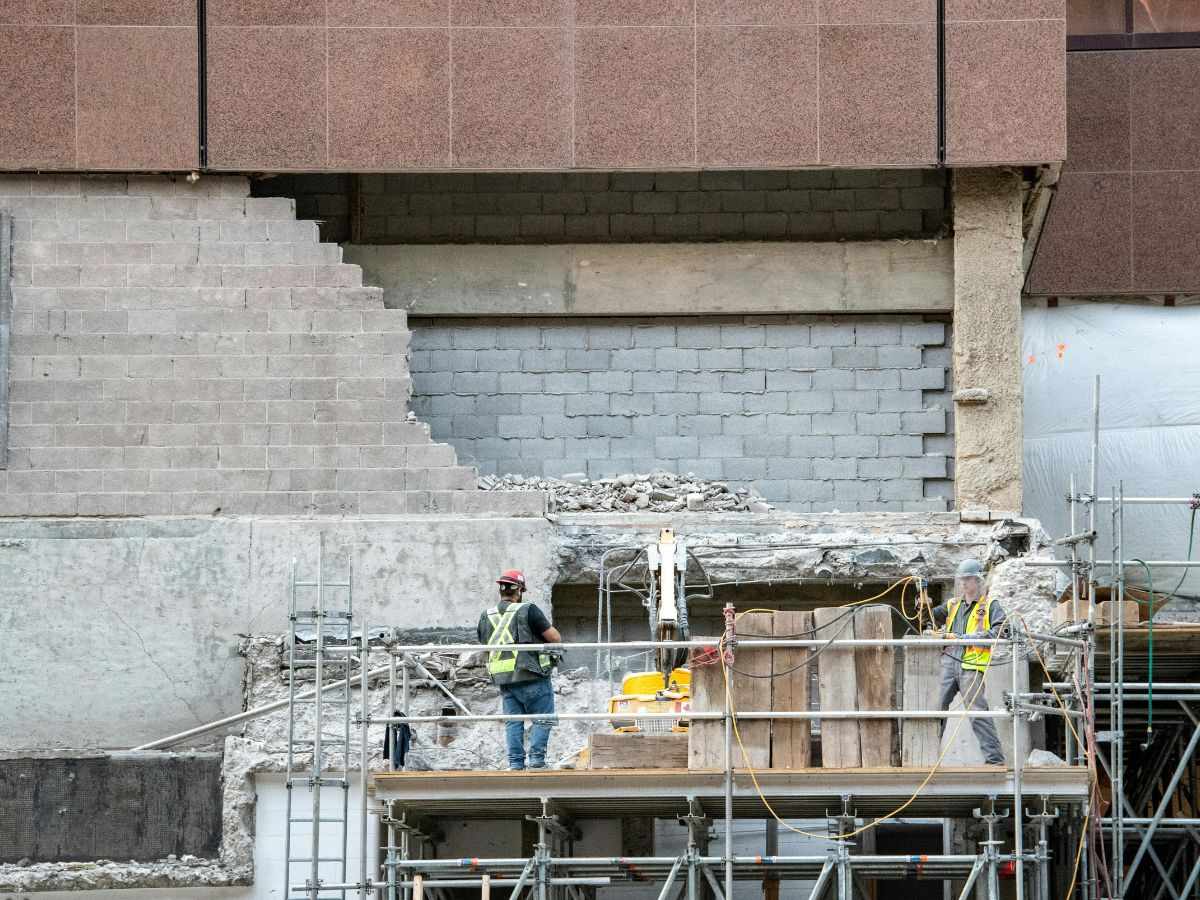
When a wall comes down, it rarely comes down alone. Behind it, there’s usually more than expected. Old electrical lines that don’t meet current standards. Plumbing that was patched years ago instead of properly fixed. Moisture damage that slowly spread without any obvious signs.
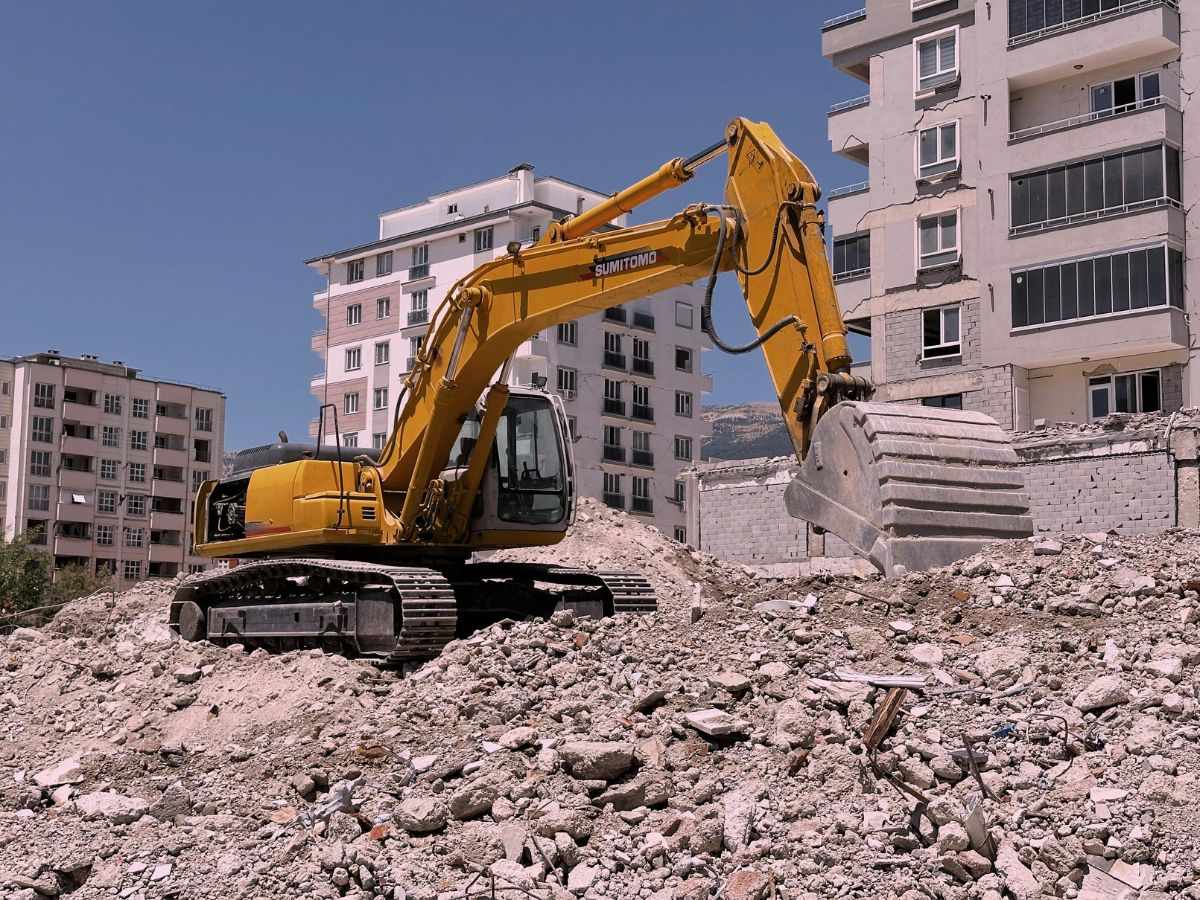
Sometimes, the structure itself tells a different story than what the surface shows. A space that looked stable for decades may reveal cracks, weak supports, or previous modifications done without proper planning.
This is where construction demolition services quietly prove their value. It’s not just about breaking things. It’s about identifying what should not be disturbed and what needs immediate attention before anything new is built.
The Mistakes That Turn Small Jobs Into Big Problems
One pattern shows up again and again in renovation projects. Homeowners rush into demolition thinking the hard decisions will come later. That mindset usually creates unnecessary stress.
A common mistake is assuming every wall is safe to remove. Not all walls are equal, and removing the wrong one can affect the entire structure. Another issue appears when people rely only on low-cost estimates without understanding what is included. A cheaper quote often looks attractive until extra charges start showing up mid-project.
There’s also the mistake of skipping preparation. Clearing the space, checking utility lines, and understanding what lies beneath surfaces is often ignored in the rush to begin. That rush usually slows everything down later.
People who have been through renovations before often say the same thing afterward—they wish they had slowed down at the start.
Why Cheap Estimates Don’t Always Stay Cheap
Cost is usually the first thing people compare. That’s normal. But demolition pricing is not just about labor. It includes waste removal, equipment use, safety measures, and sometimes permits.
A lower estimate might ignore some of these elements. It doesn’t always mean someone is trying to mislead you, but it often means the scope isn’t fully understood or included.
This is where experienced construction demolition services make a difference. They usually explain what could go wrong before it actually does. That includes hidden damage, extra disposal needs, or structural surprises. The upfront cost may look higher, but the process tends to stay more stable once work begins.
The Contractor Difference You Only Notice Later
Choosing a contractor is not just a hiring decision. It shapes how the entire demolition phase feels.
A reliable team doesn’t rush into tearing things down. They walk through the space, ask questions, and look for risks before starting. They understand where problems usually appear and prepare for them early.
On the other hand, less experienced teams often focus only on execution. Things move fast at first, but issues show up later—delays, confusion about scope, or unexpected repairs that were never discussed.
Good contractors also communicate clearly. They don’t leave room for assumptions. That alone prevents a lot of frustration during the project.
Safety Is Not the Part to Negotiate
Demolition sites can look harmless until they aren’t. Dust in the air, exposed wires, unstable structures, and hidden materials can create risks quickly.
Older buildings add another layer of concern. Some may contain materials that require careful handling. Others may have been modified multiple times without proper records. Before any demolition work begins, obtaining the necessary approvals is an important part of the process. Property owners can review Saudi Arabia’s official requirements through the Balady Building Demolition Permit Service, which outlines the procedures and conditions for demolition permits. This helps ensure that projects move forward in compliance with local regulations while reducing potential legal and safety risks.
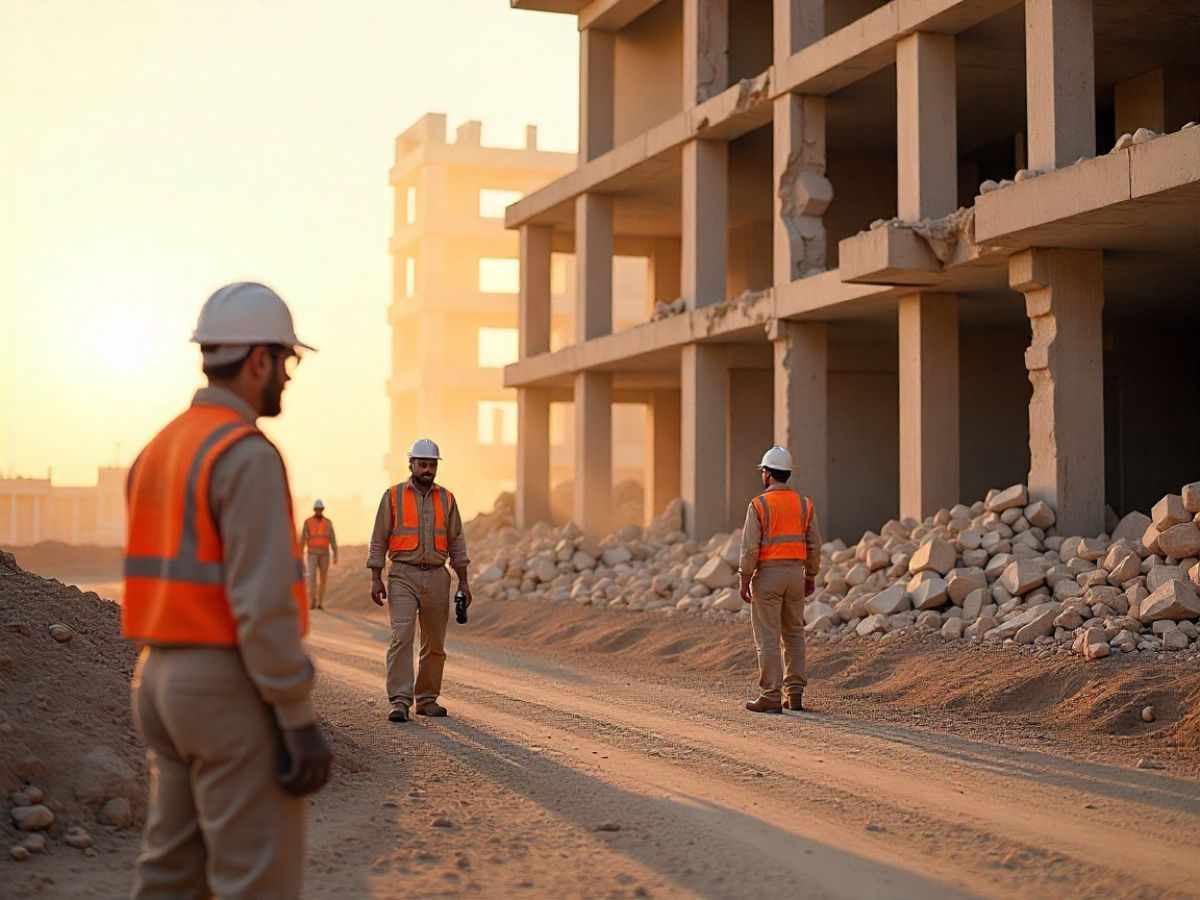
Professional teams that handle services usually don’t treat safety as an extra step. It’s built into the process from the beginning. Site checks, protective setups, and controlled removal methods are part of how they work, not something added later.
This is also the stage where homeowners realize that safety planning is not visible, but it changes everything.
The Part Nobody Talks About: What Happens to the Waste
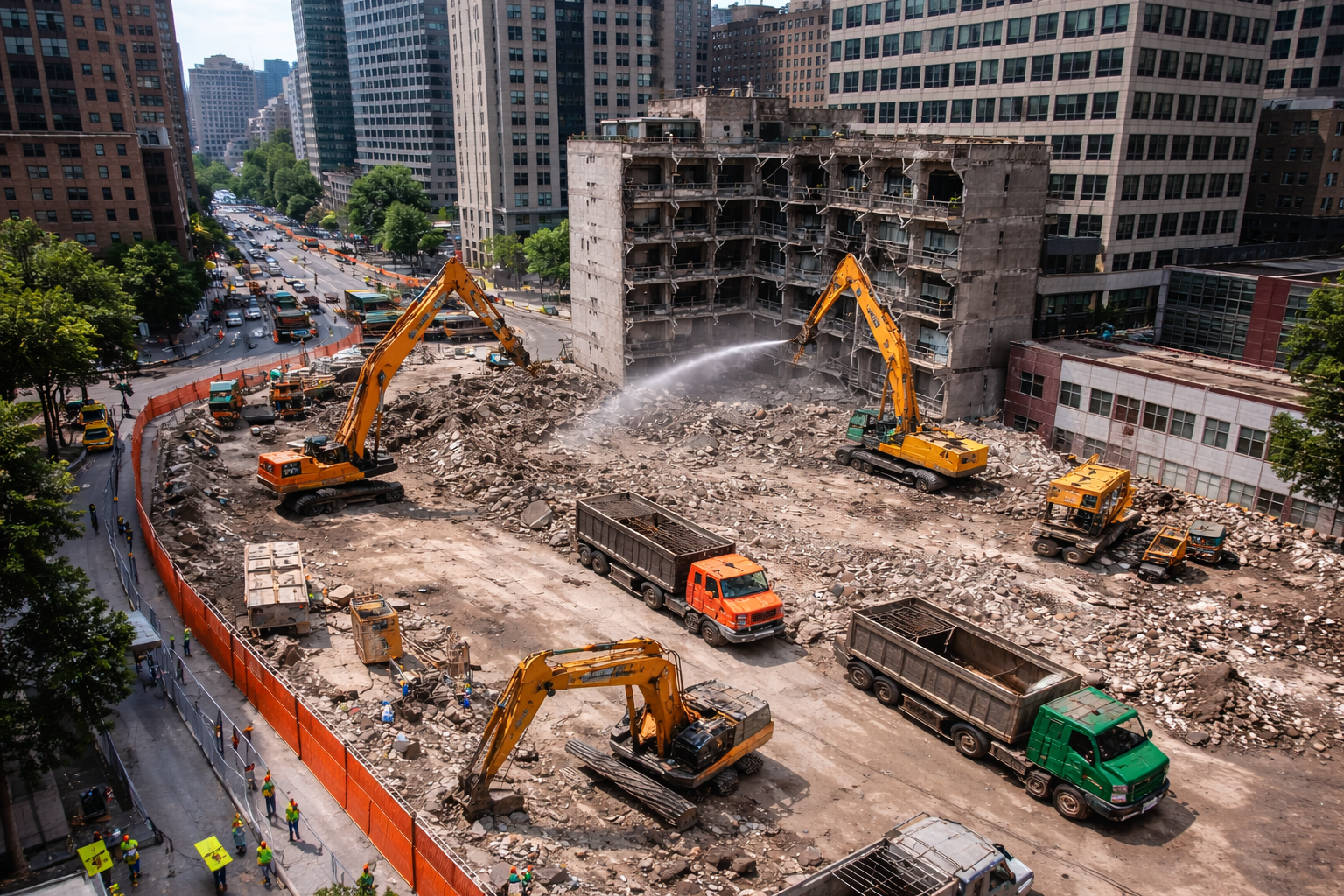
Once demolition starts, debris builds up faster than expected. Wood, concrete, metal, tiles, insulation—it all piles up quickly. What looks like a small space can produce a large amount of waste in just a few hours.
This is where disposal planning becomes important. Not everything goes to the same place, and not everything should be thrown away. Some materials can be reused or recycled depending on condition and local rules.
When handled properly, waste management keeps the site cleaner and reduces unnecessary delays. When ignored, it becomes another problem sitting in the background of the project.
Before the First Wall Comes Down
Demolition is often treated as a starting point, but it actually sets the tone for everything that follows. If it’s rushed, the rest of the project feels unstable. If it’s handled carefully, construction becomes smoother and more predictable.
Most renovation issues don’t begin during construction. They begin here, when decisions are made too quickly or without enough clarity.
This is why experienced services matter more than people realize at first. They don’t just clear space. They prepare it properly so the next stage doesn’t inherit hidden problems.
In the end, breaking walls is easy. Understanding what those walls are holding—and making the right decisions before they come down—that’s what actually protects your project.
Where Smart Renovations Really Begin
A successful renovation doesn’t depend only on design or construction quality. It depends heavily on how the project begins. Demolition is that beginning, and it deserves more attention than it usually gets.
When homeowners take time to plan properly, choose the right professionals, and understand what might be hidden behind existing structures, they avoid most of the problems that usually appear later. A careful approach here saves time, money, and unnecessary stress.
Good planning at this stage creates a smoother path for everything that follows. And that is exactly what turns a complicated renovation into a controlled, predictable, and successful project.
Write a comment ...